
The Scream Nobody Answered: The Death of Neighborhood Watch
Here's the tragic story that birthed the neighborhood watch, its evolution, and the rise of government reliance.
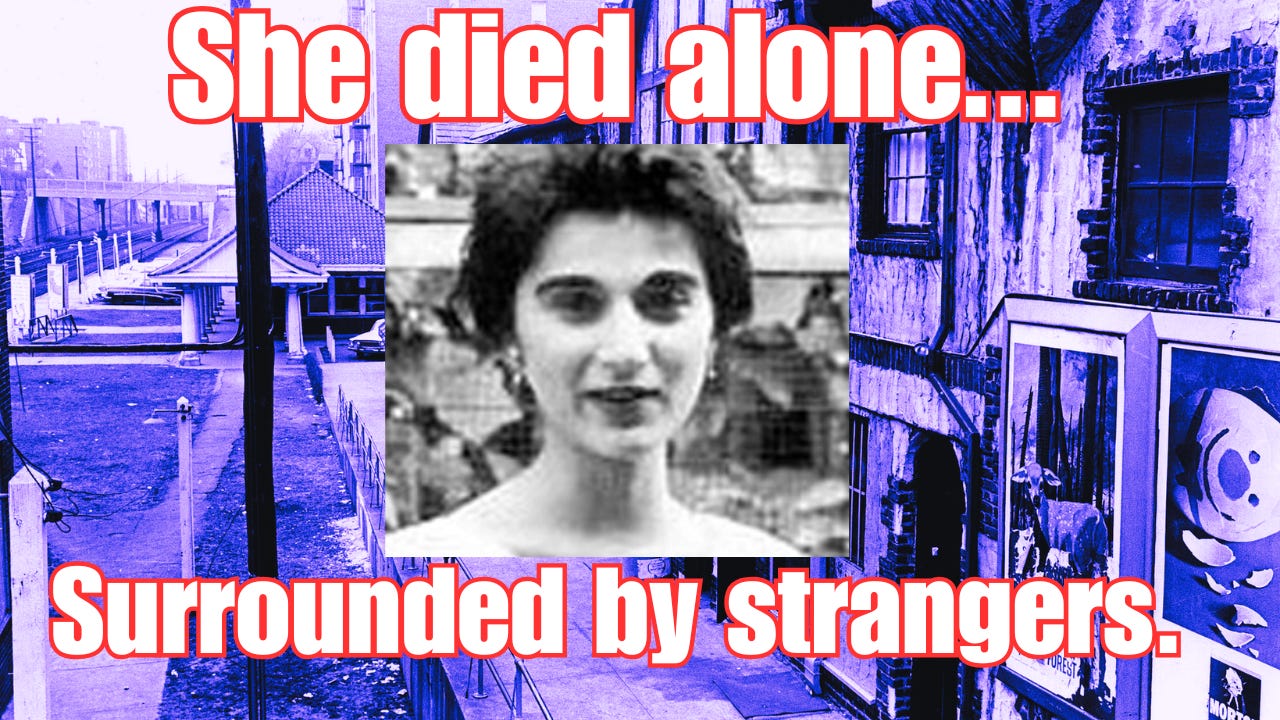
It was just after 3 AM on a chilly New York City morning in March of 1964.
Kitty Genovese, a 28-year-old bartender, pulled into the parking lot near her Queens apartment after wrapping up her shift.
As she walked the short distance to her building, a man emerged from the shadows.
She ran.
But the man quickly caught up and stabbed her in the back.
Kitty screamed: “Oh my God, he stabbed me! Help me!”
A few apartment lights flipped on.
Busybodies and Window Ninjas peered through the blinds.
One man opened his window and shouted down, “Let that girl alone!”
Then the attacker fled.
Kitty, bleeding badly, staggered toward the back entrance of her building, out of clear view.
But the man waited in the shadows, and when it became clear nobody was coming to save Kitty, he returned to sexually assault the critically injured woman.
The screams continued.
A few more lights turned on, yet still nobody had called the police.
Nor had any man grabbed a pistol, a baseball bat, or their old-fashioned dukes to defend a woman in need.
In fact, the only person who had the stones to come to Kitty’s aid as she bled out was a weaponless woman.
By the time help finally arrived, it was too late. Kitty died in an ambulance.
How could this happen in a crowded neighborhood? Sure, it was 3 AM, but people knew.
The murder exposed the slow but sure breakdown of society in 1960s America.
Everyday Americans wanted to do something about it.
So they started organizing.
They came up with the Neighborhood Watch program.
But what do they do? How have they evolved? And have they made a difference?
Plus, I’ll show you how to find out if there’s an active Watch in your area.
Origins
The Kitty Genovese case is widely cited as the spark for the modern 911 system and Neighborhood Watch.
Of course, the idea of neighbors looking out for each other isn’t new.
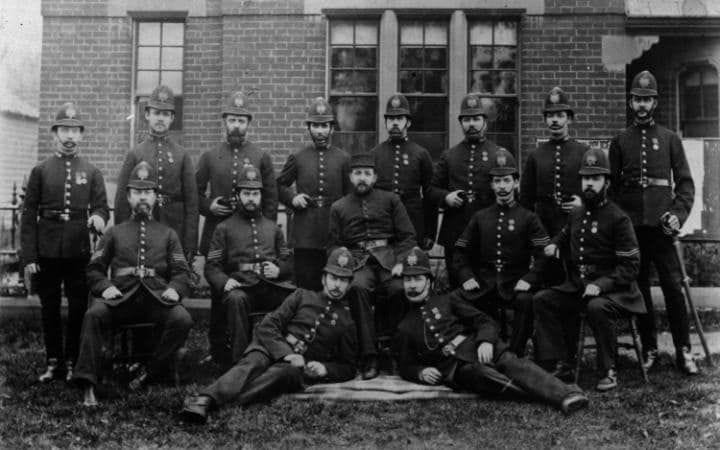
Citizen patrols and night watchmen existed all the way back in colonial times, before organized police departments formed.
The first modern police department didn’t show up until 1829 in London.
By the late 1960s and early 1970s, crime was exploding in America, and people felt the system couldn’t protect them.
In 1972, the National Sheriffs’ Association launched the National Neighborhood Watch.
The point was to restore a sense of community we once had before we expected the government to handle everything.
Modern Purpose
But what do Neighborhood Watches actually do?
Report Suspicious Activity: Law enforcement wants civilians to spot things that don’t belong, such as loitering, out-of-place vehicles, someone casing houses, or thieves trying car door handles. Basic Paul Blart stuff.
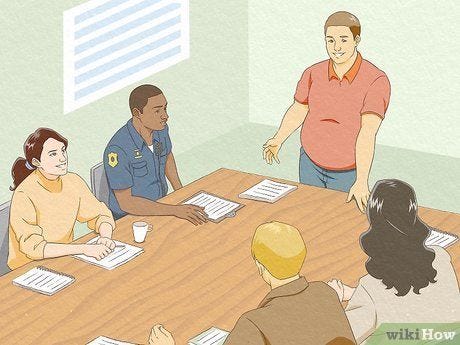
Community Education: Hold meetings to learn how to secure your home and vehicle and understand local crime trends.
Build Connections: Active watches create networks with block captains, group texts, and backyard beer parties. You start knowing who belongs in the hood and who doesn’t.
Disaster Preparedness: Some groups go further, especially in areas prone to severe weather. They check on elderly neighbors during blackouts, coordinate help, and are ready to search for missing people if an Amber or Silver Alert pops up.
Evolution
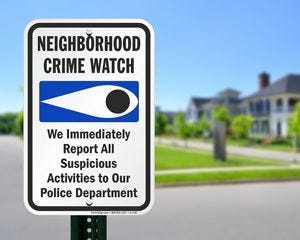
I grew up in the 90s seeing those blue and white Neighborhood Watch signs all over town.
That’s about the time the program peaked with millions of participants, home security surveys, and neighborhood events.
After 9/11, they expanded into disaster prep and terrorism awareness under the USAonWatch program.
Orlando, Florida, has over 100 active groups that have helped cut shots-fired calls and shootings by more than half since 2022.
But the big shift hit in the 2010s: Home security became more affordable with Ring, SimpliSafe, Nest, and online communities. More recently, Flock cameras have exploded across the nation. More here:

By now, most organic organizations have been replaced by technology.
Losing Steam
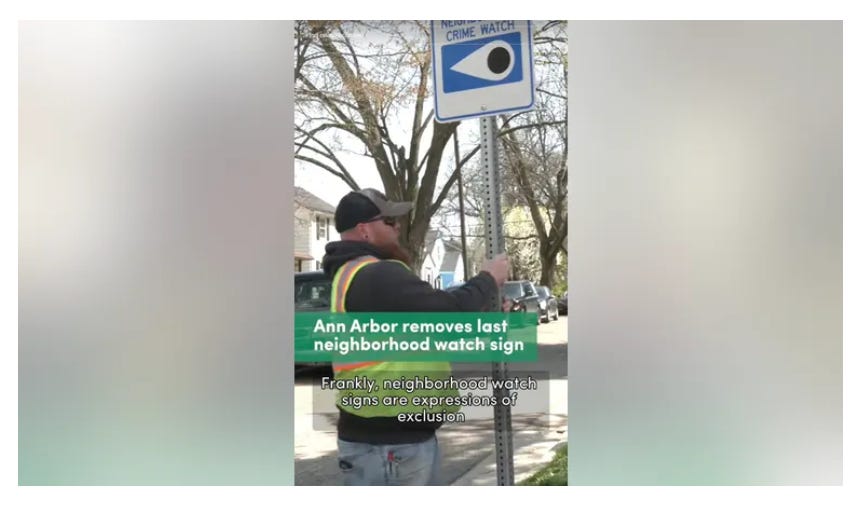
Sadly, a lot of the original Watches have dissolved.
People are too busy, younger folks aren’t joining, and neighborly trust has eroded once again.
In May of this year, Ann Arbor, Michigan, spent $17,000 in taxpayer money removing over 600 old Neighborhood Watch signs to promote “inclusivity.” Even though the local Watches were disbanded anyway.
People these days would rather rely on surveillance systems and apps like Neighbors and Nextdoor.
Crime stats show some of these tools work, but we’re getting a fragmented sense of security as the community disintegrates.
Is There a Watch Near You?
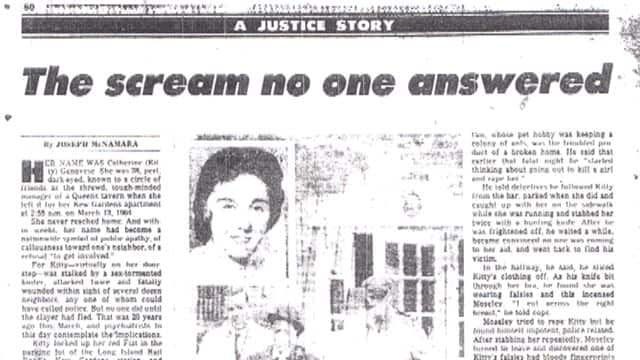
After Kitty Genovese was murdered, The New York Times ran with the shocking headline that 37 respectable, law-abiding citizens had watched or listened to her blood-curdling assault and done nothing.
That number was exaggerated, but the tragedy struck a nerve.
Cities grew bigger, but people somehow became less connected.
Everyone assumed someone else would call the cops or rush to help, as the bystander effect took over.
We’ve since come to believe the government will always provide security.
But the numbers suggest otherwise.
According to the FBI, in 2019, the nationwide average was just 2.4 sworn officers per 1,000 inhabitants, roughly one cop for every 417 people.
In bigger cities, it’s even worse.
The Kitty Genovese story keeps repeating with the stabbing of Iryna Zarutska on a Charlotte light rail train, or Henry Nowak dying in police custody.
But there’s still hope.
The Bessemer, Alabama, Police Department recently relaunched its Neighborhood Watch program to rebuild community ties.
Memphis, Tennessee, just opened applications for its Neighborhood Crime Prevention Grant to fund local organizations.
Phoenix did something similar with its 2025–2026 Block Watch grants.
But is there a Watch in your area?
Check at nnw.org and search your city.
If not, would you consider starting one?
Or are we all too busy, reliant on technology, or worried about looking like do-gooders?
Maybe we’ll get involved when the next Kitty Genovese, Iryna Zarutska, or Henry Nowak is someone we actually know.
GB