
Flock Cameras: Safety Tool or Dystopian Trap?
Flock Safety has built one of the largest networks in the country. Here's how to check if they're in your community.
I remember the first time a red-light camera nailed me for “running a yellow light.”
The roads were icy, so I kept going rather than slamming on the brakes and ending up in a snow bank.
Plus, I didn’t see any other cars or cops.
Of course, as I rolled through the intersection, the bright flash of a red light camera filled my rearview mirror.
A week or so later, a ticket arrived in my mailbox with clear pics of my plates, car, and even a zoomed-in image of my face behind the wheel.
If anyone warned me about mass surveillance or inching towards a dystopian nightmare at the time, I shrugged it off.
This was before 2020.
But those dumb red-light cameras look like Atari’s compared to today’s tech.
Now we have a national network of cameras that logs everyday Americans driving across thousands of communities.
Stale yellow lights or otherwise.
They’re called Flock cameras.
And your community, or neighbor, might be feeding the system.
What are Flock Cameras?
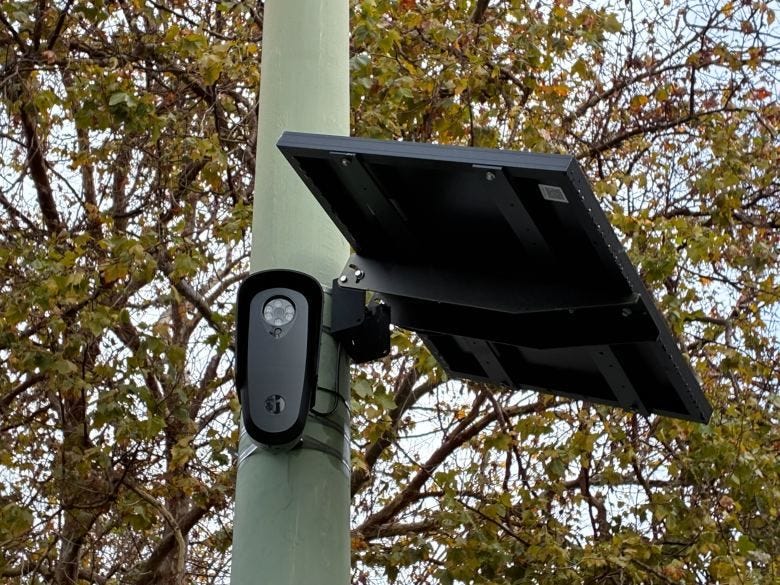
Flock Safety, based in Atlanta, has built one of the largest automated license plate reader (ALPR) networks in the country.
They offer solar-powered cameras to be mounted on poles, buildings, or mobile trailers, audio detection systems, and drones
They capture license plates, vehicle make/model/color, bumper stickers, direction of travel, and timestamp
Data is uploaded to a cloud database that’s searchable for 30 days or longer, depending on customer agreement
AI lets users query things like “white truck with black topper” or similar descriptions
Devices are used by law enforcement, HOAs, businesses, and private citizens, not just for policing, but also for catching porch pirates and securing construction sites
We’ve come a long way from red light cameras.
Today, we’re all tracked on a queryable network of surveillance devices.
Pros
But don’t worry just yet. Flock can reduce crime, find missing persons, and crack down on those pesky teen takeovers.
Crime Reduction
Flock supported over 1 million investigations last year
Contributed to clearing about 20% of solved cases across hundreds of agencies
An Oklahoma shopping center saw retail theft drop nearly 70%
Tulsa achieved a 100% homicide clearance rate in under 17 months
Crime is down 56% after rollout in Delano, California
Mt. Juliet, Tennessee, saw a ~60% drop in burglaries and a 27% decline in auto thefts after installing Flock devices
Homeowners associations like the one in the Shevano Heights neighborhood near San Antonio, Texas, installed license plate readers, which reduced crime and deterred potential offenders
Missing Persons
Flock helped locate more than 10,000 missing persons in 2025, more than 27 per day
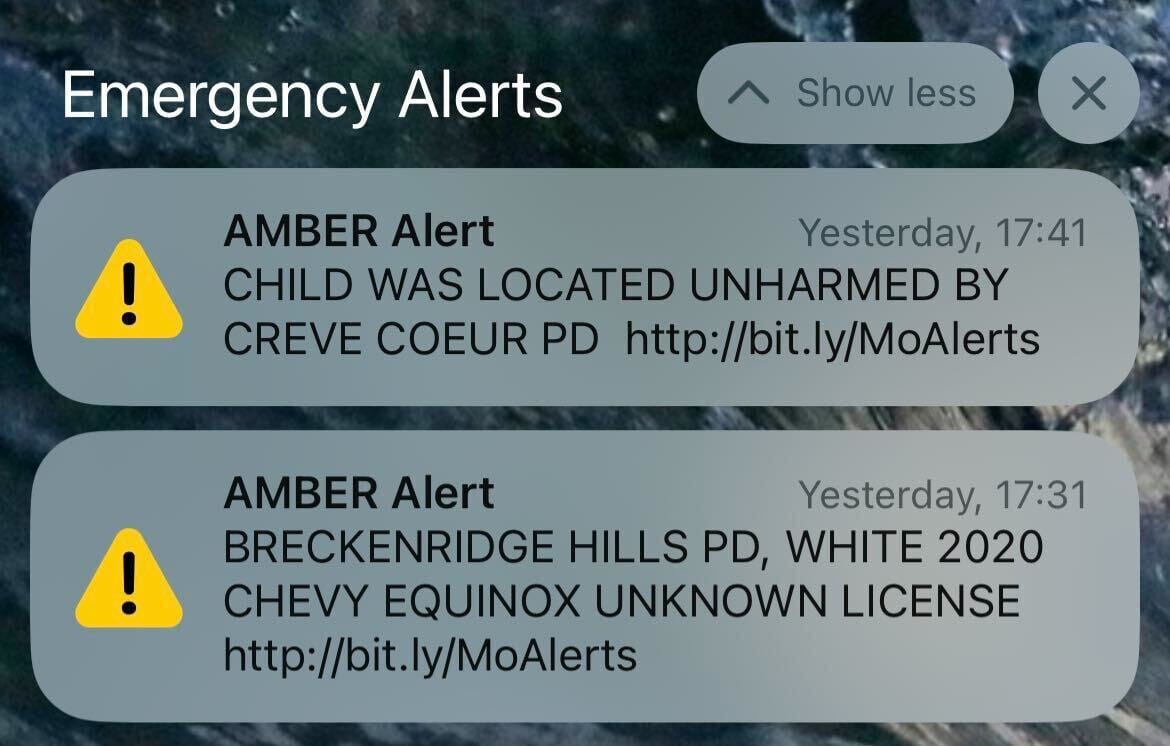
They maintain a strong partnership with the National Center for Missing & Exploited Children (NCMEC) on AMBER Alerts
Flock Safety’s system assisted with the safe return of more than 1,000 missing persons, including some children identified through NCMEC cases.
Not just about kids, police are successfully finding lost or missing elderly folks with license plate readers
Urban Chaos
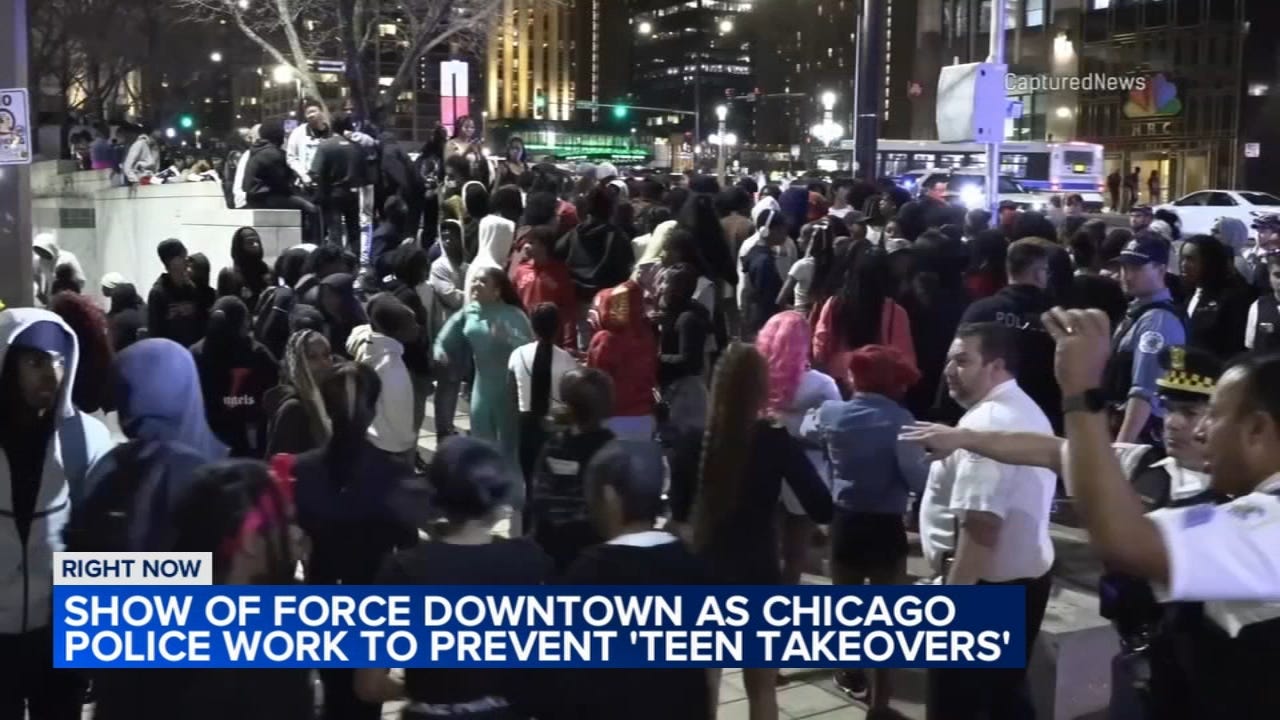
During a violent “teen takeover” in Austin, Texas, in May of this year, police used license plate-reading Flock cameras to identify offenders involved in shootings, robberies, and vehicle thefts
Fort Wayne, Indiana, recently implemented a pilot program to test Flock’s Raven system, which recognizes audio associated with gunshots, fireworks, teen takeovers, or other distress-related events, and alerts law enforcement, similar to Shot Spotter tech
But there’s a trade-off.
Backlash
Here’s where things get scary.
Officer Misuse & Stalking Cases
The Institute for Justice has tracked ~16 documented cases nationwide of law enforcement using Flock cameras to spy on spouses and exes
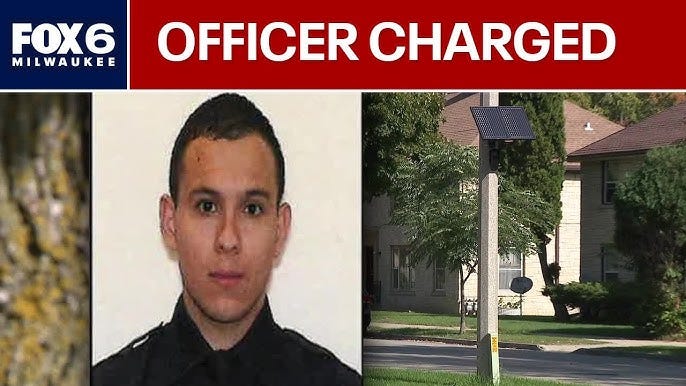
A Milwaukee officer allegedly ran his partner’s plate ~180 times in two months (plus her ex)
A Georgia police chief was arrested for harassing and stalking citizens with the system
A Kansas ex-chief reportedly tracked his ex-girlfriend (and her new boyfriend) 228 times over 4 months
16 doesn’t seem like a lot, especially when compared to the massive reduction in crime and countless recovered missing persons.
But these are just the cases we know of.
Mass Cancellations
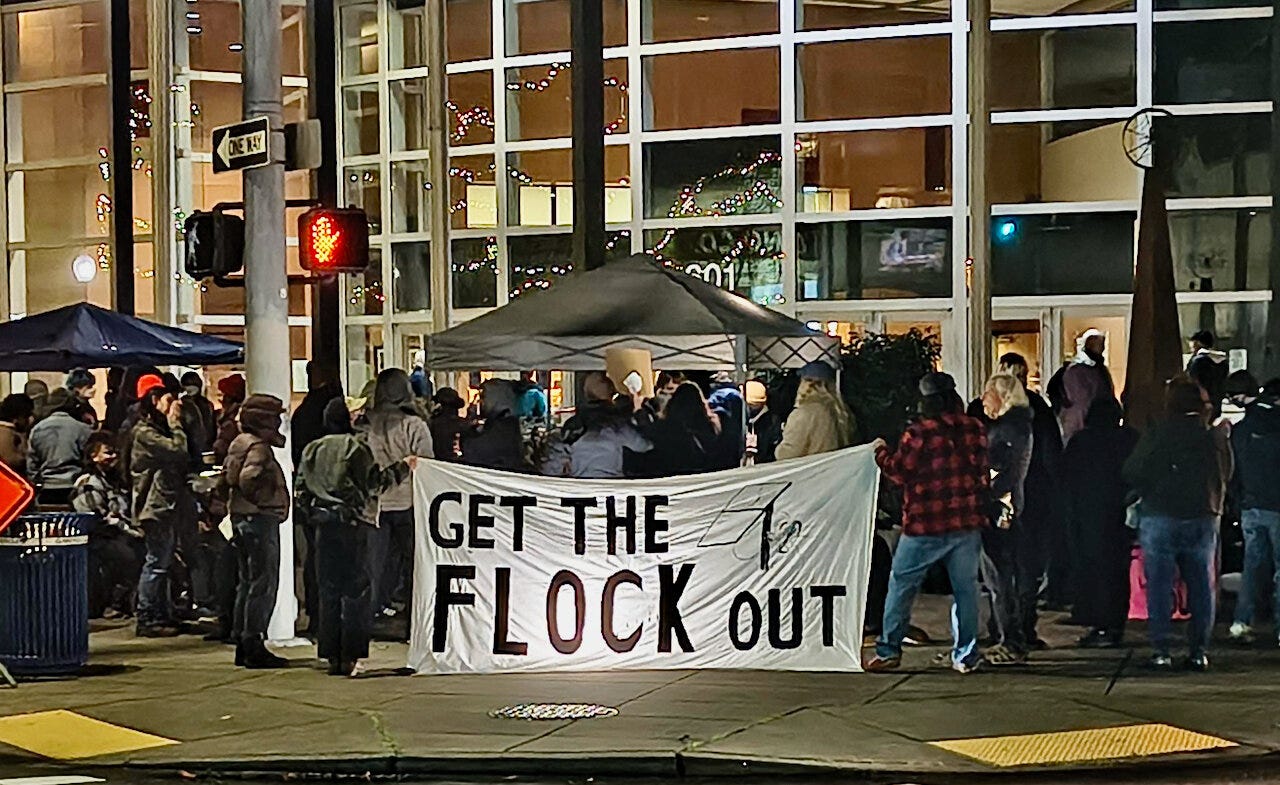
That’s why some communities are pulling the plug.
At least 30 cities have canceled or deactivated contracts
Examples: Flagstaff, AZ, Eugene, OR, Santa Cruz, CA, Cambridge, MA, Mountain View, CA, Olympia, WA
Some cities physically removed the cameras
Reasons: privacy fears, terms-of-service changes, and federal agencies accessing local data without authorization
The Mountain View audit revealed hundreds of thousands of unauthorized federal searches
Throw in false positives, data breaches, expanded surveillance features, and a lack of oversight, and people are questioning the balance between safety and surveillance.
How to Check if You’ve Been Flocked!
The deeper issue isn’t the cameras or the AI.
It’s the humans behind them.
Those communities that canceled Flock didn’t do so not because of privacy concerns, but because they didn’t want federal immigration enforcement to use the data to help deport illegals
It’s easy to see how these cameras can be used to target political enemies-these things can read bumper stickers
Could the government help or hinder protesters or activists, depending on what side of the fence they’re on?
Political control changes. Mayors, governors, and presidents change. Yet the same powerful surveillance systems remain in place
Let’s go back to my red light ticket incident.
Had any human cops been present instead of a camera, they would likely use discretion and let it slide, given the icy conditions.
Now we’ve flipped it: Flock gives law enforcement excessive discretion.
That’s a much bigger concern than the tech itself.
We’re not building a sci-fi dystopia overnight.
But we are setting ourselves up for one.
Camera by camera, query by query.
Still, Flock offers a transparency portal for private citizens to keep tabs on local use, including info such as how many devices are in the area, what they detect, what they don’t detect, and which agencies they share data with.
Just search a given city plus “transparency portal.” Here’s an example.
Whether you trust the data is another thing.
Interested to see if Flock is in your community?
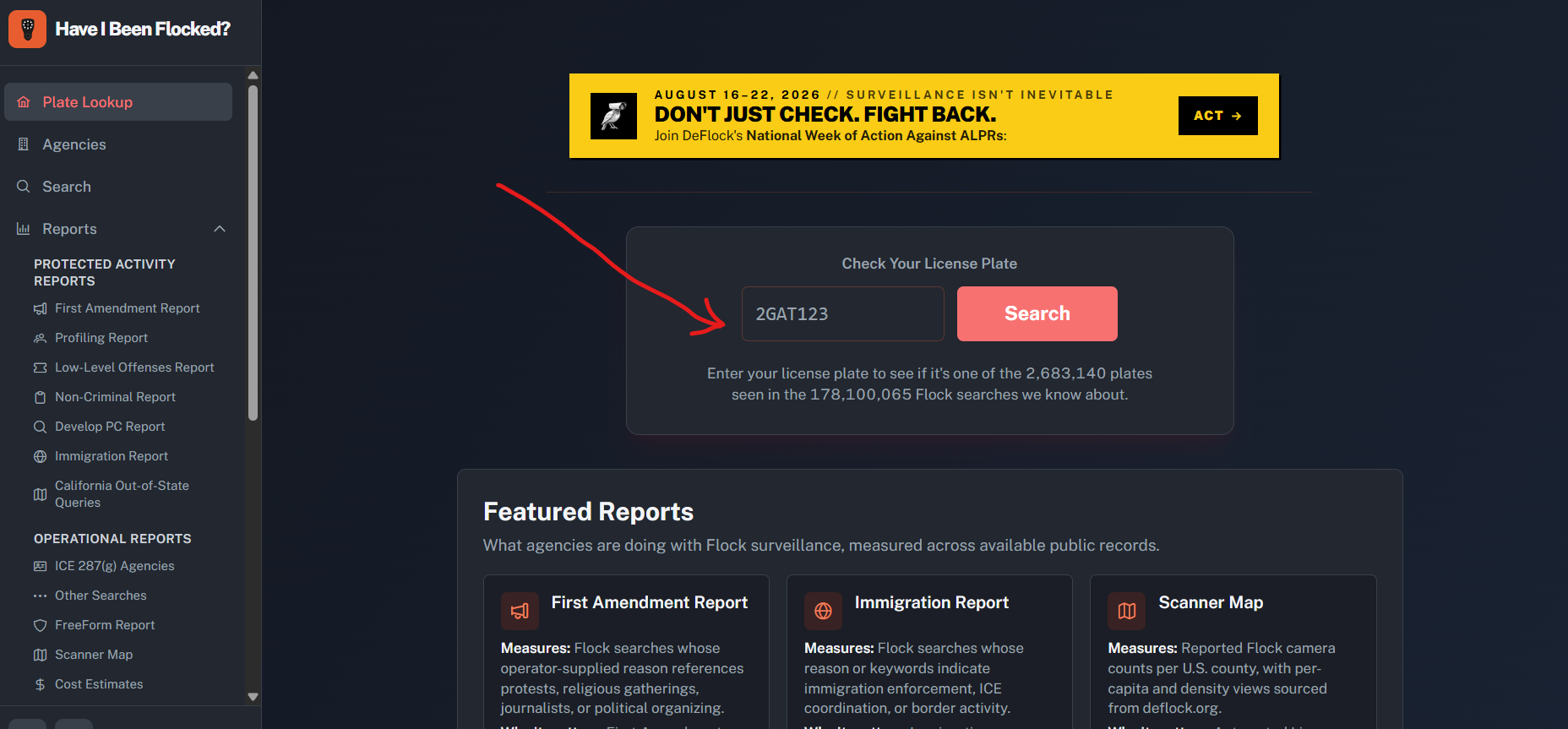
Check the map at deflock.me and see if there are any license plate readers or cameras in your town.
Then, head to haveibeenflocked.com and see if any local cops have a romantic interest in you.
GB
Such a timely article! Love that you included the websites, which I checked out. Of course our town has like 5 but now I know where they are! Great last line, haha. Oh... and at least our plates aren't in the system....yet.